
Summary
The new flex work legislation could have adverse effects on the retail sector, warns INretail.
Risks of the flex law
INretail has raised concerns about recently introduced flex legislation, which may lead to increased costs and administrative burdens for employers. The organization argues that these proposals could result in reduced flexibility in staff deployment and a heightened risk of litigation over wrongful contract terminations.
Implications for the retail market
This news is significant for BI professionals in retail, as tightened flex work regulations can influence personnel costs and operational strategies. Competitors who already rely on flexible labor contracts may need to reassess their business models. This development fits into a broader trend of increasing regulation surrounding labor conditions, impacting various sectors.
Action items for BI professionals
BI professionals should remain vigilant regarding the implications of flex legislation on their organization’s cost structure. Leveraging data analysis to gain insights into personnel needs and cost optimization will be critical, as organizations may need to prepare for a potential shift toward more permanent staff.
Deepen your knowledge
Knowledge Base
What is Business Intelligence? Definition, examples and tools
What is business intelligence (BI)? Learn about the definition, BI stack, real-world examples, popular tools, and 2026 t...
Knowledge BaseData-Driven Work — How to get started as an organization
Learn how to become a data-driven organization. From data maturity to culture change: a practical step-by-step guide wit...
Related articles
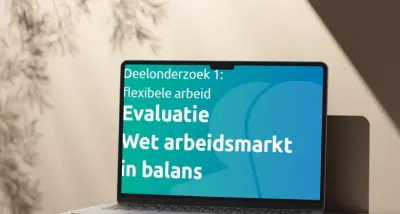
Evaluatie Wab: wet heeft flexwerk nauwelijks teruggedrongen
The evaluation of the Balanced Labor Market Act (Wab) reveals that flexible work has hardly decreased despite the implem...

Kabinet lanceert campagne ‘Zo kan zzp wél’ en past webmodule aan
Cabinet launches ‘This is how freelancers can’ campaign to offer better guidance to self-employed individuals.

Freelanceplatformen: ‘Rechtsvermoeden van werknemerschap leidt nu al tot misverstanden’
New legislation regarding the presumption of employment is causing confusion among freelance platforms and their users.

Kabinet: een nieuwe zzp-koers maar geen aanpassing handhaving schijnzelfstandigheid
Government introduces new course for freelancers, but enforcement against false self-employment remains unchanged.